
The Cycle of Intergenerational Fate
And Their Children After ThemThis flow traces how the characters inherit work, habits, and social limits while trying to resist repeating their parents’ lives.
increasing Bearing strength in each event
 decreasing
Bearing strength in each eventdecreasingThe Parents’ Industrial World
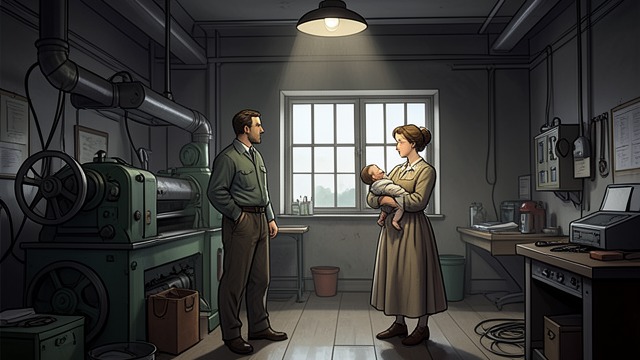
Inherited Conditions
Work and family
The parents’ lives are shaped by industrial employment, early marriage, physical labor, and expectations of owning a home. Their hopes are ordinary but demanding, built around wages and endurance.
A weakened inheritance
When industry contracts, the habits of work remain but the security behind them disappears. Their children inherit both the discipline and the disappointment.
Anthony’s Rejection
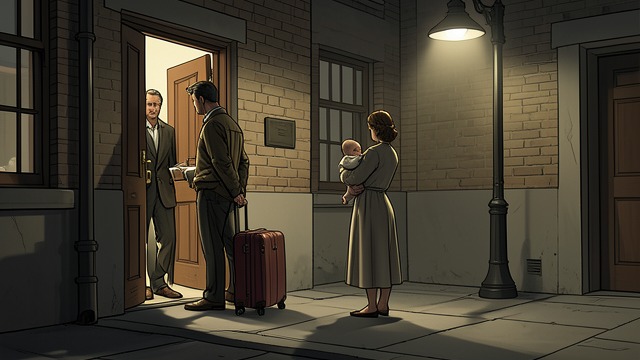
Refusing the Family Pattern
A judgment on ordinary life
Anthony thinks his relatives’ jobs, marriages, and disappointments are small and predictable. He wants to place himself above the future they seem to represent.
No clear alternative
His desire to leave is stronger than any plan for what comes next. The rejection of inherited limits therefore becomes an emotional posture before it becomes a workable route.
Hacine’s Counter-Ideology

Success as Rebellion
A rejection of grievance
Hacine watches his father’s generation describe unfairness and hardship, then chooses entrepreneurship as his answer. He believes money can create a destiny beyond the status assigned to immigrants.
The irony of assimilation
The drug trade gives him access to the same language of competition and accumulation used by mainstream business. His success challenges exclusion while also reproducing its individualist assumptions.
The Children’s Possible Futures
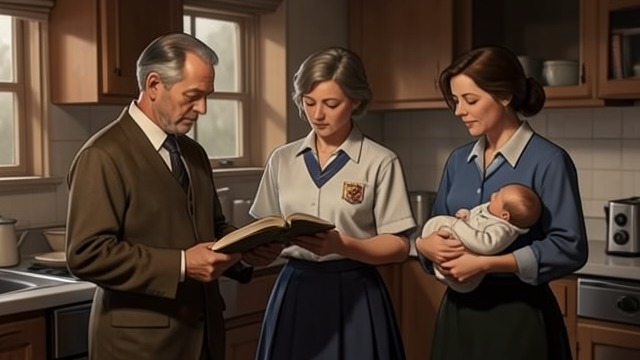
New Families, Old Patterns
Different forms of inheritance
Anthony’s cousin builds a household, Stéphanie pursues elite education, and Hacine becomes a father. Each path appears to offer a different answer to the lives their parents lived.
Continuity beneath choice
Money, schooling, family support, and geography still shape what each person can attempt. Individual decisions matter, but they do not erase the structures passed from one generation to another.
Leaving Is Not Erasure
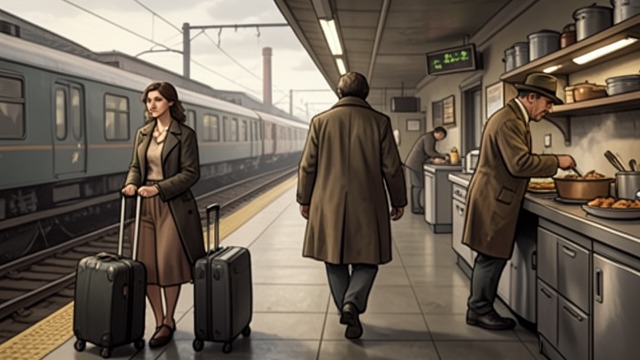
A Future Still Tied to Place
Separate departures
Stéphanie prepares to leave for Canada, while Anthony remains in Heillange and Hacine tries to maintain an ordinary household. Their lives diverge without leaving the valley’s history behind.
The inheritance persists
The old factories, family habits, and economic limits continue to shape what comes after. Escape can change a person’s location, but it cannot simply erase where that person began.
The decades before the 1990s
Summer 1992
During his years in Morocco
1996–1998
July 1998
